Two models can own the same phone, sit in the same size bedroom, and stream on the same platform. One looks like a professional. The other looks like a hostage video. The difference is almost never the phone. It is where the light is standing.
Light is the cheapest upgrade in this entire business. Before you spend a dollar on outfits, backdrops, or a better camera, get the light right. Your phone's camera is already good. It is just starving in the dark, and a starving camera makes noisy, muddy video no matter what it points at.
The one rule that fixes almost everything
Light comes from IN FRONT of you, raised above your eye level. Never from behind you.
That is the whole religion. Everything below is that rule with photos.
The mistake that ruins the most streams
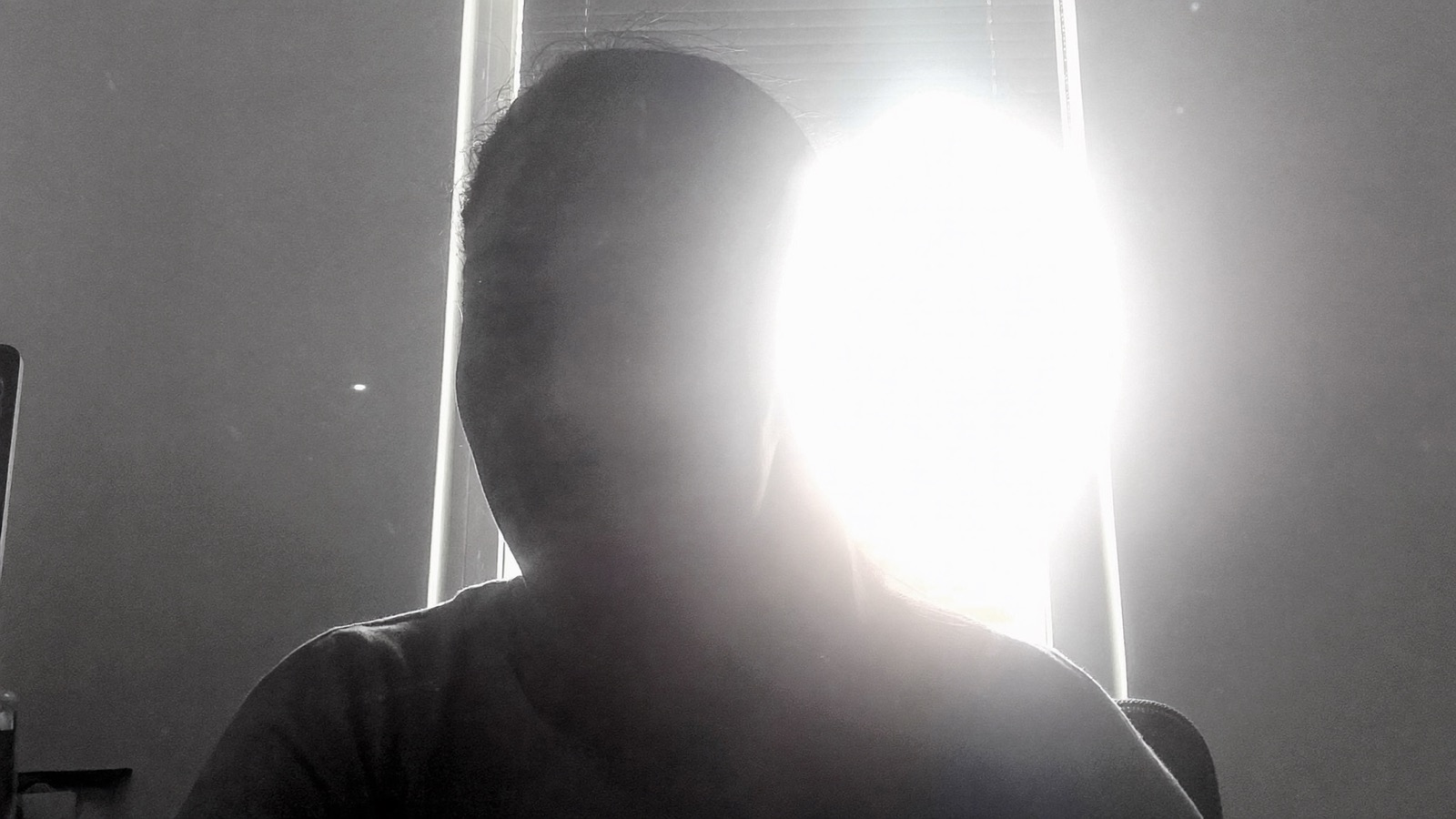
A window or lamp behind you is the number one lighting mistake in camming. A camera can only expose for one brightness at a time, and it always protects itself from the brightest thing it sees. If the brightest thing is behind you, you become the dark shape in front of it. Your face, your expressions, your smile: everything a regular falls for, gone. Nobody tips a silhouette. If your only window is behind your setup, turn the setup around.
The second mistake: the ceiling light
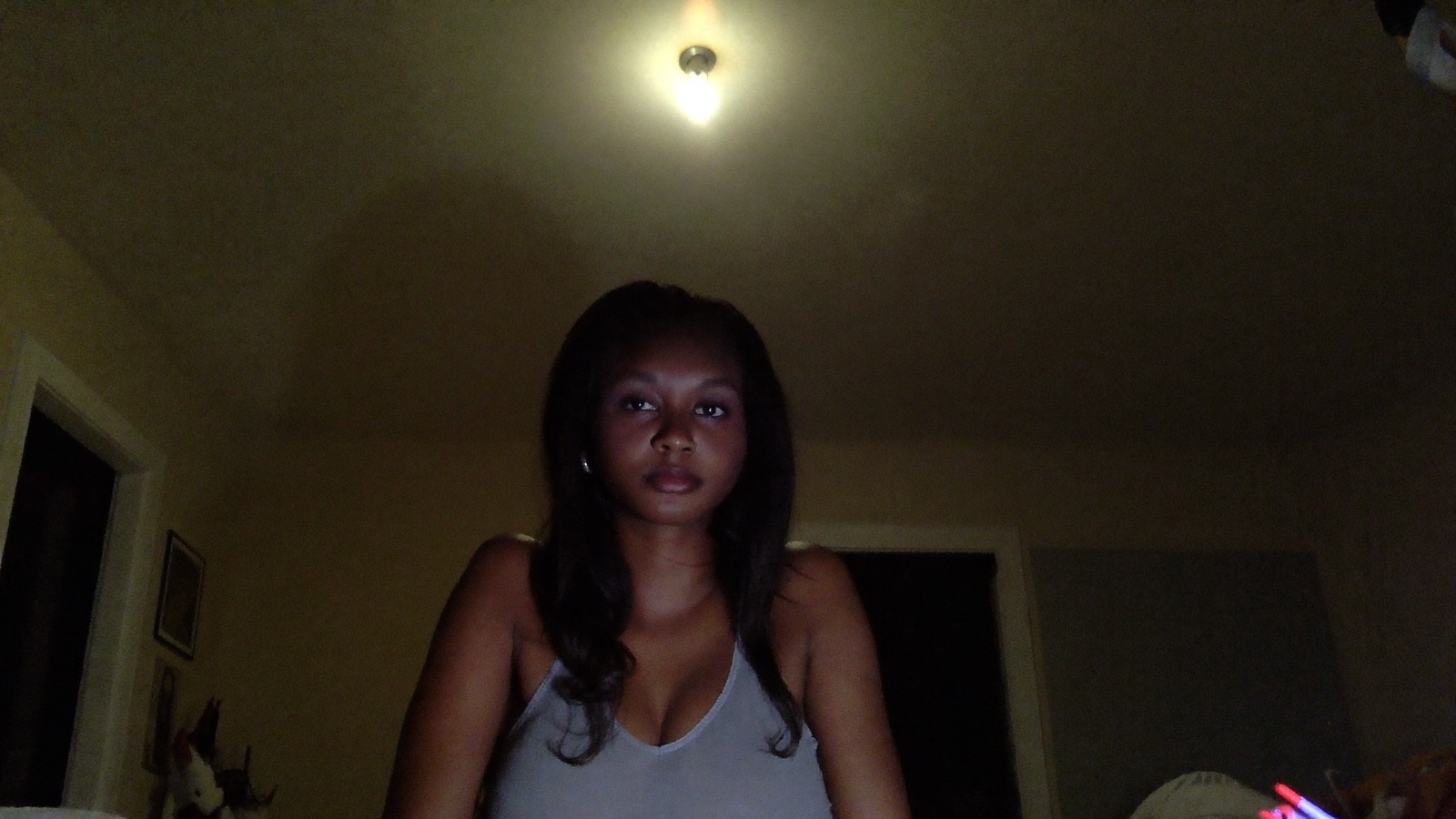
Overhead light hits your forehead, drops shadows into your eye sockets and under your chin, and leaves your face flat and dim. The camera boosts itself to compensate, which adds grain. The ceiling light is fine as room fill. It cannot be your main light.
Right way one: the front light, raised
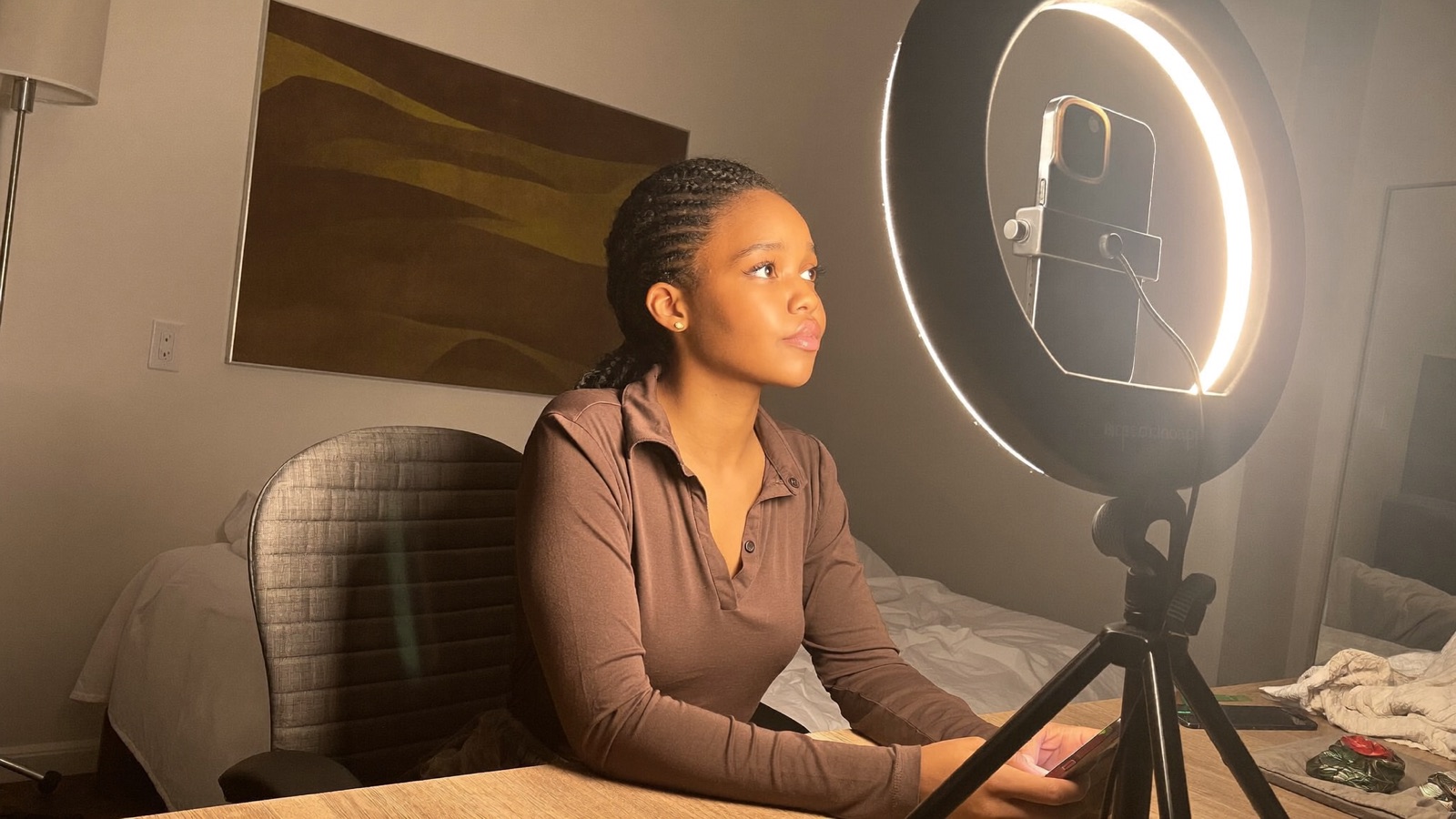
The standard setup, used by every serious streamer alive. A ring light with your phone in the middle means light and camera share a direction, so your face is evenly lit and looking at the camera means looking into the light. Placement beats equipment:
- Height: center of the light slightly above eye level, tilted a few degrees down. Light from below is horror-movie light. Never light your chin from underneath.
- Distance: about an arm's length. Closer blows out your skin, farther lets the room take over.
- Warmth: most lights have a dial. Warm-white flatters almost everyone more than cold blue-white.
Right way two: the high side light
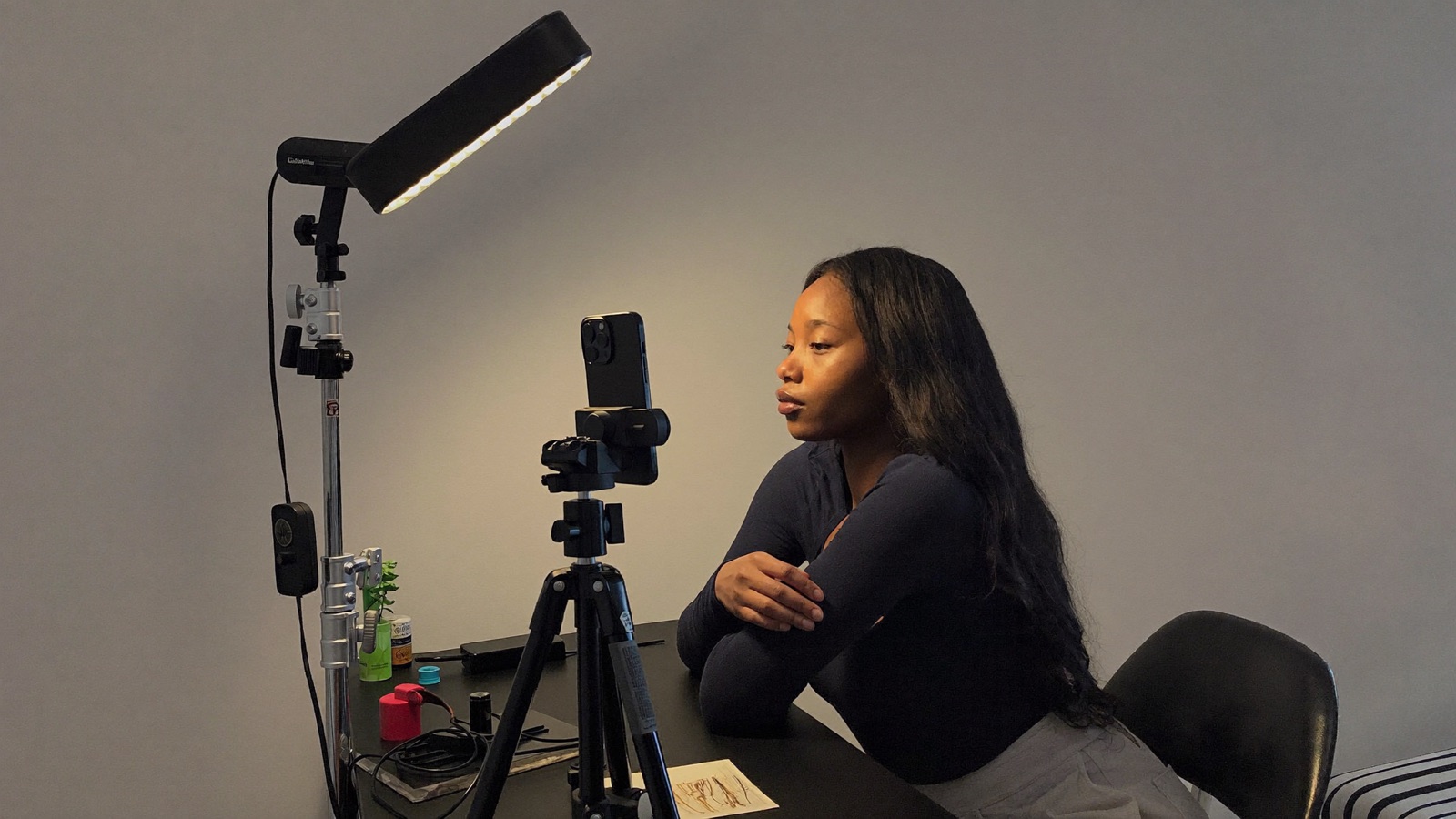
The upgrade. Move the light about forty five degrees to one side, still above eye level, still angled down. Photographers have used this angle for a century because it shapes the face: depth and mood instead of flat passport light. High and to the side is glamour. Low and to the side is a flashlight under your chin. Keep it high.
The finishing touch: glow behind you that is NOT aimed at the camera
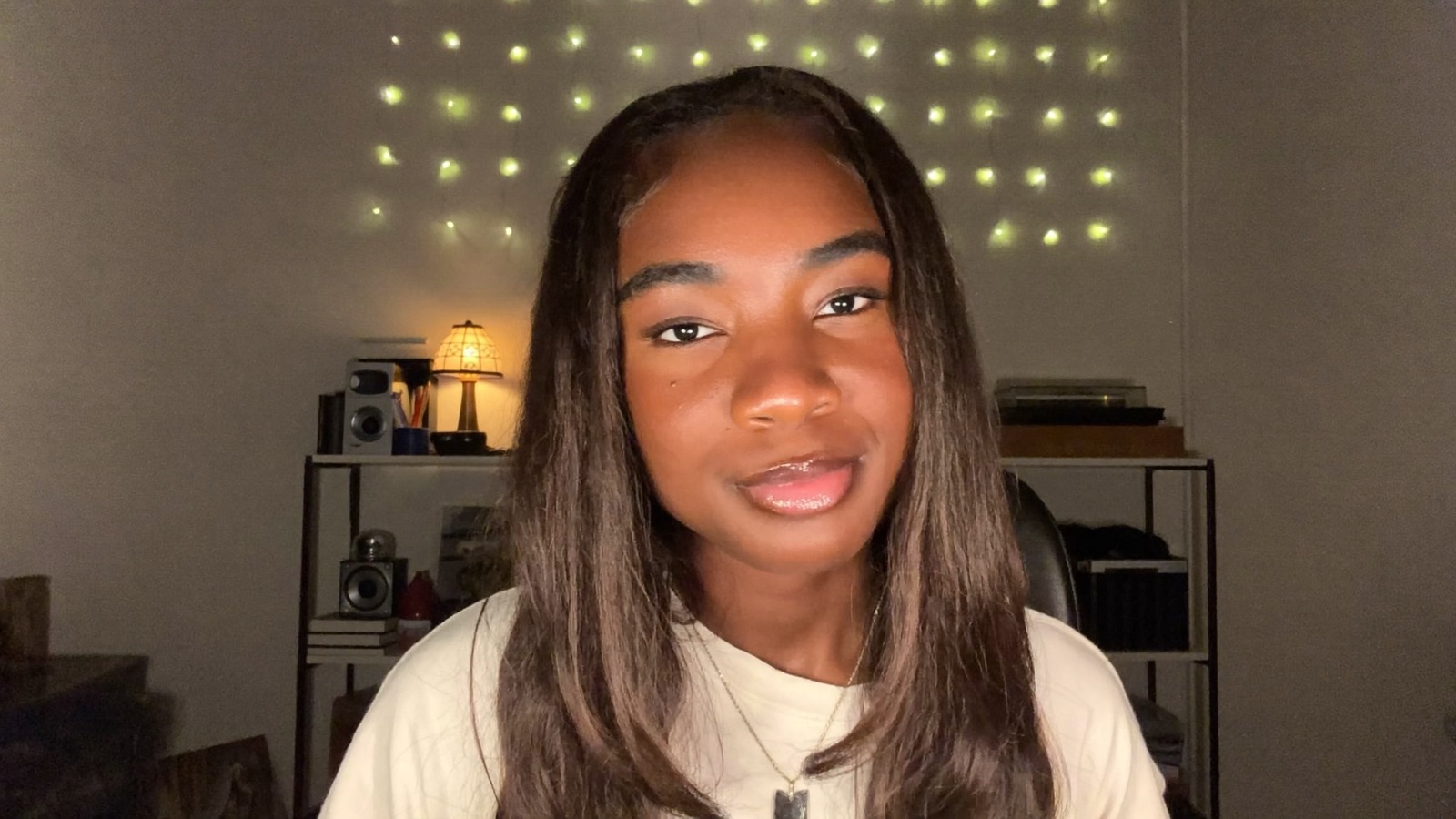
Wait, light behind you? The ban is on bright light aimed AT the camera. This is different: small, soft lights that glow in the background without hitting the lens. String lights on the wall, a small lamp on a shelf, an LED strip behind the bed. They separate you from the background, give the frame depth, and make the scene read warm and expensive. Keep them dimmer than your face. Your face is the star; the background is the set.
You do not need expensive gear
A basic ring light with a phone holder costs less than one good night of tips and lasts for years. Until then, a desk lamp bounced off the wall in front of you beats any ceiling light, and a window IN FRONT of you is the best free light in the world. The gear matters far less than the geometry: in front, high, angled down, small glow behind.
Want your whole setup reviewed before you go live?
Lighting, framing, greeting, pricing: we coach the entire craft, and some nights we are online with you while you stream.
Apply in two minutes